Mold is a common problem that affects countless homeowners and businesses every year. While often overlooked at first, mold can pose serious health risks, damage property, and reduce indoor air quality. Understanding what mold is, how it spreads, and how to effectively remove it is critical for maintaining a safe, healthy living environment. In this guide, we will explore mold causes, signs of infestation, mold removal techniques, and preventive measures to protect your home or office.
What is Mold?
Mold is a type of fungus that grows in damp, humid environments. Unlike plants, molds do not require sunlight to thrive—they feed on organic materials such as wood, drywall, carpets, and fabrics. Mold reproduces through tiny spores that float in the air and settle on surfaces, allowing it to spread rapidly if the conditions are favorable. While small amounts of mold are often harmless, significant infestations can pose serious risks to health and property.
Health Risks of Mold Exposure
Exposure to mold can trigger various health problems, particularly for individuals with allergies, asthma, or weakened immune systems. Common symptoms include:
- Sneezing and nasal congestion
- Coughing and throat irritation
- Skin rashes or irritation
- Eye irritation
- Fatigue and headaches
Certain molds, such as Stachybotrys chartarum, commonly known as black mold, produce mycotoxins that can be particularly dangerous when inhaled or ingested. Prolonged exposure to toxic molds can result in more severe respiratory issues and chronic health conditions.
Common Causes of Mold Growth
Mold requires moisture, warmth, and organic material to grow. Identifying and addressing the source of moisture is essential for effective mold removal. Common causes include:
- Leaking pipes and plumbing issues: Even minor leaks can create hidden moisture behind walls or under floors, creating an ideal environment for mold.
- Flooding or water damage: Homes affected by floods or heavy rain are highly susceptible to mold growth if water is not removed promptly.
- Poor ventilation: Areas such as bathrooms, kitchens, and basements often lack sufficient airflow, allowing humidity to build up.
- Condensation: Windows, walls, or pipes can accumulate moisture due to temperature differences, promoting mold growth.
- High indoor humidity: Homes with humidity levels above 60% provide the perfect conditions for mold spores to flourish.
Signs You Might Have Mold
Detecting mold early is crucial to prevent severe damage and health issues. Common signs of mold infestation include:
- A musty or damp odor, even when the mold is not visible
- Discoloration on walls, ceilings, or floors, often green, black, or white
- Peeling, bubbling, or cracking paint or wallpaper
- Water stains or warped surfaces
- Increased allergy or respiratory symptoms among occupants
Hidden Mold
Mold can grow in areas that are not immediately visible, such as behind drywall, under carpets, or inside HVAC systems. If you suspect hidden mold, it’s important to act quickly, as spores can spread throughout your home and worsen the problem over time.
DIY Mold Removal: What You Can Do
For small areas of mold (usually less than 10 square feet), homeowners may attempt DIY removal. Common steps include:
- Safety first: Wear gloves, goggles, and an N95 respirator mask to protect yourself from mold spores.
- Ventilate the area: Open windows and doors to increase airflow.
- Clean affected surfaces: Use a mixture of water and mild detergent, or specialized mold cleaning products. Avoid mixing bleach with ammonia or other cleaners.
- Remove contaminated materials: Porous materials such as carpets, ceiling tiles, or insulation may need to be discarded if mold has penetrated deeply.
- Dry thoroughly: Ensure the cleaned area is completely dry to prevent mold from returning.
While DIY methods can be effective for minor mold infestations, they may not fully address the problem if mold has spread behind walls or into structural components.
Professional Mold Removal: Why It Matters
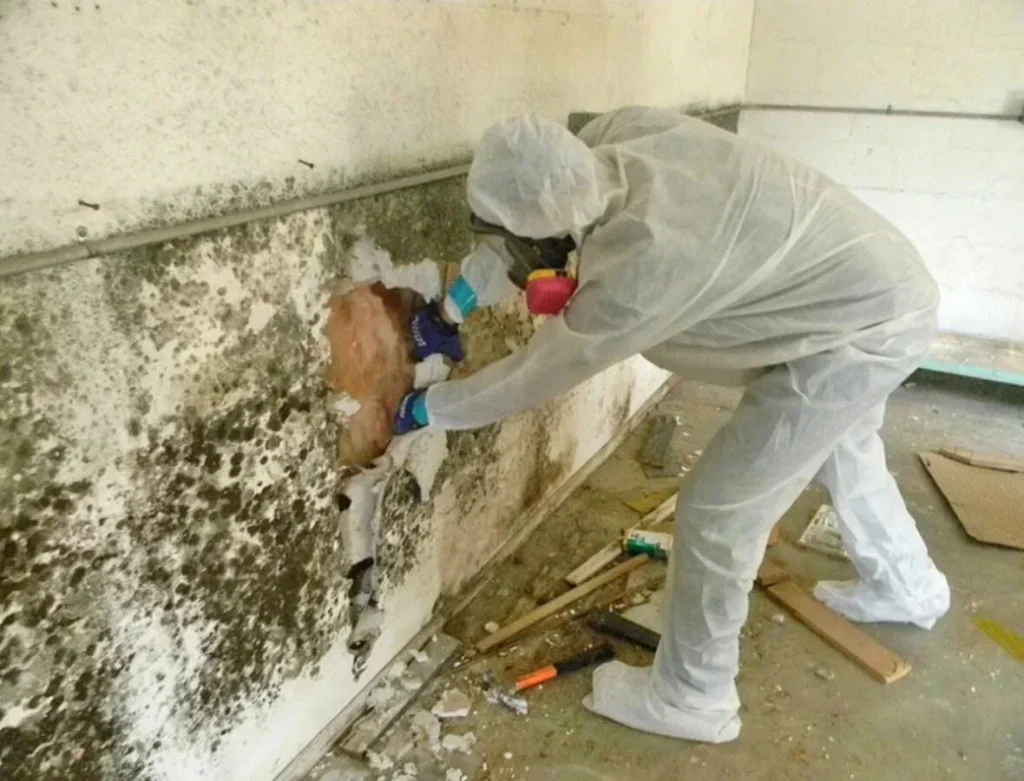
For extensive mold infestations, hiring a professional mold removal service is often the safest and most effective approach. Professionals have the knowledge, equipment, and techniques to:
- Assess the extent of the infestation: Mold can hide behind walls, under flooring, or inside HVAC systems, requiring specialized inspection tools.
- Contain the area: Professionals use containment procedures to prevent spores from spreading during removal.
- Safely remove mold: Advanced cleaning methods, including HEPA vacuuming, antifungal treatments, and air scrubbing, are used to eradicate mold.
- Restore affected areas: Structural repairs, repainting, and replacement of damaged materials may be performed to restore the property.
Choosing a certified mold remediation company ensures that the mold is removed thoroughly, protecting your health and preventing future growth.
Preventing Mold in Your Home or Business
Prevention is always the most effective strategy. Here are some steps to reduce the risk of mold growth:
- Fix leaks immediately: Regularly inspect plumbing, roofs, and windows for leaks.
- Control humidity: Use dehumidifiers, especially in basements or damp areas, and keep indoor humidity below 50%.
- Improve ventilation: Ensure proper airflow in bathrooms, kitchens, and laundry rooms by using exhaust fans or opening windows.
- Regular maintenance: Clean gutters, maintain HVAC systems, and inspect areas prone to moisture accumulation.
- Promptly address water damage: Dry affected areas within 24–48 hours after flooding or leaks to prevent mold spores from taking hold.
Choosing the Right Mold Removal Service
When selecting a professional mold removal company, consider the following:
- Certification and experience: Look for companies with IICRC (Institute of Inspection, Cleaning and Restoration Certification) or similar credentials.
- Comprehensive inspection: Ensure the company performs a thorough assessment before starting work.
- Transparent pricing: A detailed estimate should cover all necessary steps, including containment, removal, and restoration.
- Safety protocols: Confirm that the team follows proper containment and cleanup procedures to protect your family and property.
- Prevention plan: A reputable company will provide guidance on preventing future mold growth.
Conclusion
Mold is more than a cosmetic issue—it can seriously impact your health and damage your property. Early detection, proper removal, and ongoing prevention are essential for a safe, comfortable living environment. While small mold problems can be handled with DIY methods, professional remediation is often necessary for larger infestations to ensure thorough removal and long-term protection. By understanding mold causes, recognizing the signs, and taking action quickly, you can protect your home, your health, and your peace of mind.
Remember: when it comes to mold, prevention and prompt action are always better than costly repairs and health risks. Maintain a dry, well-ventilated home and act at the first sign of mold to keep your space safe and healthy.