Mold is a common household problem that many homeowners encounter but often underestimate. While some may think of it as merely an aesthetic issue, mold poses serious risks to both health and property. Understanding mold, its dangers, and how to mold remove it effectively is essential for maintaining a safe and comfortable home.
What is Mold?
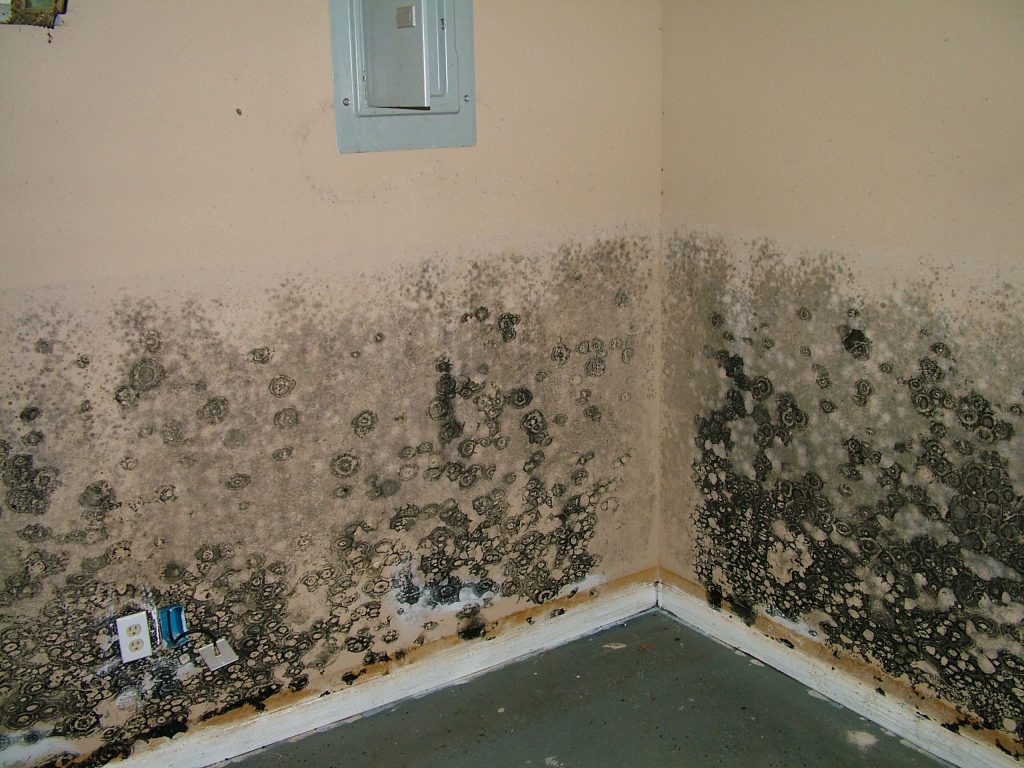
Mold is a type of fungus that grows in damp or humid environments. It reproduces through tiny spores that float in the air and can settle on surfaces with moisture. Mold comes in various colors, including black, green, and white, and can grow on walls, ceilings, floors, and even furniture. Certain molds, like Stachybotrys chartarum (commonly called black mold), can be particularly toxic and harmful to humans.
The Dangers of Mold
Mold is not just unsightly; it can cause serious health problems, especially for children, the elderly, and individuals with pre-existing respiratory conditions. Exposure to mold can trigger allergies, asthma attacks, sinus infections, and skin irritation. Long-term exposure to toxic mold may even lead to more severe respiratory issues and immune system complications.
In addition to health risks, mold can damage your home. It feeds on organic materials such as wood, drywall, and insulation, gradually weakening structural components. Mold infestations, if left unchecked, can reduce property value and lead to costly repairs.
Common Causes of Mold Growth
Understanding the causes of mold is the first step in prevention and removal. Mold thrives in areas where moisture accumulates, so homes with poor ventilation, leaks, or high humidity are particularly vulnerable. Common sources include:
- Leaky roofs or plumbing: Water intrusion from damaged roofs, windows, or pipes creates ideal conditions for mold growth.
- Flooding: Homes affected by floods often experience widespread mold problems if water is not removed promptly.
- High humidity: Indoor humidity above 60% encourages mold development. Kitchens, bathrooms, and basements are frequent hotspots.
- Condensation: Poor insulation or temperature differences can cause condensation on walls and windows, providing moisture for mold.
Signs You May Have Mold
Identifying mold early can prevent extensive damage and health risks. Signs of mold include:
- Visible black, green, or white patches on walls, ceilings, or floors
- A persistent musty or earthy odor
- Peeling or discolored paint or wallpaper
- Water stains or damp spots on walls or ceilings
- Increased allergy symptoms or respiratory issues
Mold Removal Methods
Removing mold requires a careful approach, as improper handling can spread spores and worsen the problem. Here’s a step-by-step guide:
1. Identify and Fix the Source of Moisture
The first step in mold removal is eliminating the moisture that allows it to grow. Repair leaks, improve ventilation, and use dehumidifiers in damp areas to reduce humidity levels. Without addressing the root cause, mold is likely to return.
2. Protect Yourself
Mold spores can be harmful when inhaled or come into contact with skin. Always wear protective gear, including gloves, goggles, and a mask or respirator rated for mold spores. Ensure proper ventilation in the area being cleaned.
3. Remove Affected Materials
Porous materials like drywall, carpet, and insulation are often impossible to fully clean and may need to be removed and replaced. Non-porous surfaces, such as tiles and glass, can typically be cleaned.
4. Clean and Disinfect
For non-porous surfaces, scrub mold with a mixture of water and detergent or a commercial mold remover. Avoid using bleach on porous surfaces, as it may not penetrate deeply enough to kill mold roots. After cleaning, disinfect the area to prevent regrowth.
5. Dry Thoroughly
After cleaning, ensure the area is completely dry. Use fans, dehumidifiers, or professional drying equipment to eliminate lingering moisture. Mold can reappear quickly if any dampness remains.
6. Consider Professional Mold Remediation
For extensive mold infestations, particularly in hidden areas such as behind walls or under floors, professional mold remediation services are highly recommended. Experts have specialized equipment to detect and remove mold safely and prevent recurrence.
Preventing Mold in Your Home
Prevention is always better than cure. Here are some strategies to minimize mold growth:
- Maintain indoor humidity between 30–50%
- Fix leaks and water damage promptly
- Ensure proper ventilation in bathrooms, kitchens, and basements
- Use mold-resistant building materials when renovating
- Regularly inspect areas prone to moisture for early signs of mold
Conclusion
Mold is more than just a cosmetic issue—it’s a health and structural hazard that requires immediate attention. By understanding the causes, recognizing the signs, and implementing effective removal and prevention strategies, homeowners can protect both their health and property. Whether dealing with a minor patch of mold or a widespread infestation, taking timely action is crucial to maintaining a safe, comfortable, and healthy home environment.
Mold removal may seem daunting, but with careful planning, protective measures, and professional help when necessary, it’s entirely manageable. Keep your home dry, well-ventilated, and regularly inspected, and you’ll reduce the risk of mold growth for years to come.